
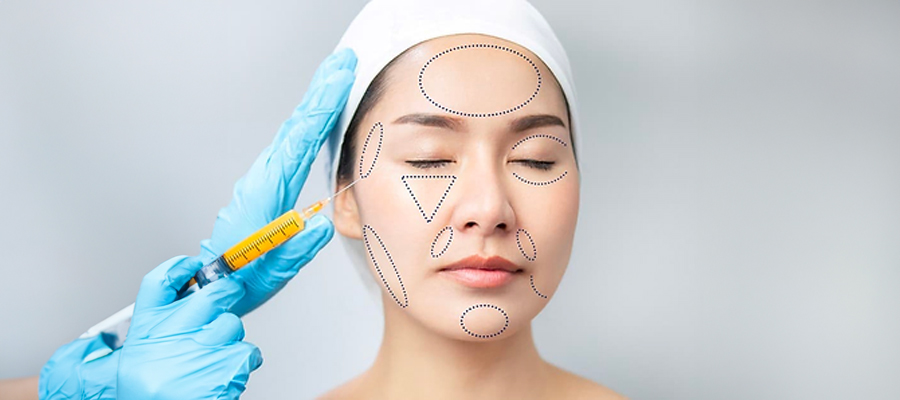
What is Nano Fat Grafting?
Nano Fat Grafting is a cosmetic procedure that injects ultra-filtered fat to improve skin quality. Doctors harvest a small amount of your fat, then emulsify and strain it into nanofat. Unlike traditional fat transfer, it targets glow, texture, and fine lines rather than adding volume.
Nano fat grafting is commonly used under the eyes, on the face, neck, and acne scars. Results vary, and swelling or bruising can occur, so choose an experienced plastic surgeon. A consultation helps confirm suitability, especially if you have medical conditions or take blood thinners.
How Nano Fat Grafting Works
Nano fat grafting works by injecting filtered, emulsified fat to stimulate skin repair and improve texture. A surgeon gently harvests a small amount of fat from the abdomen or thighs. The fat is washed, then mechanically broken down and filtered into a thin, injectable liquid.
This nanofat contains regenerative cells and growth factors that support collagen and better blood flow. Your provider injects it with fine cannulas into superficial layers to soften lines, scars, and crepey skin. Results develop gradually over weeks, with peak skin-quality changes often seen around three to six months.
Who Is a Good Candidate for Nano Fat Grafting?
Good candidates for nano fat grafting want skin-quality improvement, not major volume changes. You should be healthy, near a stable weight, and have enough donor fat. It suits fine lines, crepey under-eye skin, acne scars, and dull texture. It also helps mild discoloration and post-surgical or burn scars.
Smokers and uncontrolled diabetes can reduce healing and graft response. Severe sagging or large volume loss may need surgery or microfat instead. Most candidates prefer natural skin rejuvenation over fillers. A consultation clarifies goals, medications, and realistic improvement expectations.
Nano Fat vs Microfat vs Traditional Fat Transfer
Nano fat targets skin regeneration, microfat adds subtle fill, and traditional fat transfer restores larger volume. Surgeons process harvested fat into different particle sizes for different goals. Traditional fat transfer uses larger parcels to restore cheeks, lips, or body contours.
Microfat is finer, so it fills moderate hollows and blends more smoothly. Nano fat is emulsified and filtered into a liquid for superficial injections. It improves wrinkles, pores, scars, and skin tone, with minimal volumizing effect. Doctors often combine microfat plus nanofat to treat both volume and skin quality.
Common Treatment Areas (Face, Under-Eyes, Neck, Hands)
Nano fat grafting is most used on the face, under-eyes, neck, and hands for skin rejuvenation. The under-eye area is popular because nanofat suits thin, delicate skin. It is also used on cheeks, around the mouth, and the forehead for fine lines.
Neck and décolletage treatments target crepey texture and sun damage. Hands benefit when skin looks thin, wrinkled, or veiny. Clinics also inject scars, acne marks, and post-burn areas to soften appearance. Your surgeon chooses depth and technique based on area anatomy and safety.
Benefits and Expected Results Timeline
Benefits include smoother texture and brighter tone, with gradual improvement over weeks to months. Because nanofat works through regeneration, results usually build gradually, not overnight. Expect swelling for several days, then early softness and brightness within two to four weeks.
Collagen remodeling and texture changes often become clearer at three to six months. Scar and discoloration improvements may continue for six to twelve months. Some fat is reabsorbed, so touch-ups can refine outcomes. Most patients report smoother skin, smaller-looking pores, and a healthier glow.
Risks, Side Effects, and Recovery Process
Most patients experience temporary swelling and bruising, while serious complications are uncommon but possible. Common effects include donor-site soreness, swelling, and bruising where fat is taken and injected. Mild pain and tenderness can last a few days.
Less common issues include infection, unevenness, small lumps, or oil cysts from fat necrosis. Very rare complications include vascular injury or fat embolism, especially with facial injections. Most people return to desk work in about one week, depending on bruising. Swelling can take weeks to settle, and final skin changes can take months.
Frequently Asked Questions
Is nano fat grafting the same as stem cell therapy?
Nano fat grafting is not the same as stem cell therapy, but it contains regenerative cells from your fat. Nanofat is processed mechanically, so it is not lab-expanded stem cell treatment. Filtering concentrates the stromal vascular fraction, which includes supportive cells and growth factors.
Some studies describe adipose-derived stem cells within this fraction. Stem cell therapy often implies isolated cells, sometimes enzyme-based, and different regulation. In aesthetics, nano fat grafting is best viewed as regenerative fat transfer. Ask your clinic what processing method they use and why.
How long do nano fat grafting results last?
Nano fat grafting results can last years, but longevity depends on biology, technique, and lifestyle. After the first three months, the remaining graft effect is usually more stable. Many clinics describe benefits lasting at least 12 to 24 months, sometimes longer.
Sun exposure, smoking, and weight swings can shorten how long results look their best. Aging continues, so skin quality may slowly change even after a good response. Some patients choose a maintenance session later for extra glow or scar softening.
Can nano fat grafting help under-eye hollows and dark circles?
Nano fat grafting can improve under-eye skin, and microfat may be added for hollows. For hollows, surgeons may inject microfat deeper to restore volume safely. For dark circles and crepey skin, nanofat is placed more superficially to improve texture. This combination can brighten the area and soften fine wrinkles over time.
Results depend on pigmentation, anatomy, and lifestyle factors like sleep and allergies. Because the under-eyes are vascular, choose a board-certified injector with periorbital experience. A consultation helps decide if nano fat grafting fits your under-eye goal.
What is the downtime after nano fat grafting?
Downtime is usually a few days, but bruising around the eyes can last longer. Most swelling peaks in the first 48 hours, then improves over one week. Bruising, especially under the eyes, can last one to three weeks. You can often return to non-physical work within about a week.
Avoid heavy exercise for at least one to two weeks, based on your surgeon’s advice. Final settling and skin changes may take several weeks to a few months. Cold compresses and sleeping elevated can reduce swelling early.
How many sessions of nano fat grafting do I need?
Many patients need one session, but two or three sessions may optimize stubborn scars or dark circles. If your goal is general skin quality, one well-done session may be enough. For scars, acne marks, or tough under-eye concerns, staged sessions can work better. Many providers space sessions about three to four months apart.
A second session may also offset normal fat reabsorption after the first treatment. Your plan depends on skin thickness, area size, and how your body responds. Your surgeon will reassess photos and healing before recommending more.